 Loading... Please wait...


- Home
- Animal Feed, Supplements & Treats
- KAYTEE Exact, Hand Feeding Formula for Birds, 7.5 oz (in store pick up)
Categories
Related Products
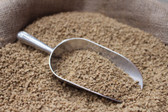



KAYTEE Exact, Hand Feeding Formula for Birds, 7.5 oz (in store pick up)

Hover over image to zoom


Product Description
Kaytee Exact Hand Feeding for Baby Birds
Kaytee exact Hand Feeding Formula was one of the first "instant" formulas available and is one of the most researched and respected products used by professional breeders, veterinarians and conservation programs throughout the world. exact food's high-nutrient formula promotes growth, weaning, development and bright plumage. When used properly, exact food will support a healthy crop. exact Hand Feeding Formula contains probiotics to encourage a healthy population of intestinal microorganisms. The selected species have been chosen specifically for their vitality, stability, and overall benefits to a bird's system.
Kaytee understands that sharing your life with a pet bird is not only enjoyable but very enriching. Kaytee shows our love by ensuring we provide your pet bird with the best nutrition for a long and healthy life. With over 150 years of avian nutritional experience, it's no wonder why Kaytee is at the heart of every healthy feeding routine.
Hand Feeding Tips
• Always follow the directions completely and thoroughly.
• Hand feeding is best performed by experienced bird breeders or aviculturists.
• Mix KAYTEE® exact Hand Feeding® Formula with hot, clean water to a desired consistency.
• Feed the hungry baby with a special hand feeding syringe.
• Feed hatchlings about every two hours.
• As the baby grows, decrease the number of feedings, and increase the amount of food.
• Baby birds require 10-12 percent of their body weight per feeding.
• Use fresh formula at each feeding.
• Use proper hygiene.
• Monitor babies daily for growth and health.
When you begin to notice your baby bird is picking things up then you can begin to introduce adult food to the bird. As you see the baby is eating the adult food you will begin to cut back on the amount of hand feeding formula being offered.
Weaning is a natural process, but is often the most difficult time in a young bird's life because it is learning to eat as an adult and become self-sufficient. exact® Adolescent, exact® Conversion & Weaning or other exact® Original or Rainbow Daily Diets have unique shapes, which stimulate the baby's natural curiosity and tactile (touch) receptors in the mouth.
- As the baby bird begins to explore its environment, offer exact Diets in a dish with a separate dish of water available.
- When the baby moves to one hand feeding per day, hand feed only at night so the baby has all day to investigate its new food. A very small amount of Hand Feeding formula (HFF) may be given in the morning to stimulate appetite.
- Moisten the exact product with water or fruit juice to further assist the bird in weaning. Remove moistened product within 4 hours to prevent spoilage.
- Offer exact by hand to encourage trial. It can also be mixed with prepared HFF. This combination may be offered in a bowl or fed directly by spoon. Gradually remove the HFF as they adjust.
- Treats, such as Kaytee Spray Millet or small amounts of fruits and vegetables, may also stimulate independent feeding when offered with exact.
To evaluate weaning status, gently check the baby bird’s crop for food particles as evidence of consumption. Carefully observe droppings, they should remain olive brown and of similar consistency as when the baby was hand fed. If you are offering exact® Rainbow a slight color difference in the droppings may occur. Dark green, scant droppings may indicate a lack of food in the digestive tract. If this occurs, increase the level of HFF as necessary to make sure the baby is getting enough food. If the droppings show no improvement within 36 hours, professional assistance is advised. Weaning birds generally lose approximately 10% of their pre-weaning body weight.
Please find the following chart with approximate weaning ages.
| BIRD | WEANING AGE (WEEK) |
|---|---|
| Amazon Parrot | 12 |
| Eclectus | 12 |
| Pionus | 10 |
| African Grey | 12 |
| Cockatoo | 12 |
| Cockatoo (Umbrella, Molucan) | 12 to 14 |
| Macaw (Mini) | 12 |
| Macaw (Medium, Large) | 16 |
| Quaker Parakeet/Monk Parrot | 8 |
| Indian Ringneck (Indian, African) | 10 |
| Lories | 8 to 10 |
| Conures (all) | 8 to 10 |
| Cockatiels | 6-7 |
*These are typical weaning ages that may vary by plus or minus 2 weeks (or possibly more), depending on feeding volumes, health and other factors.